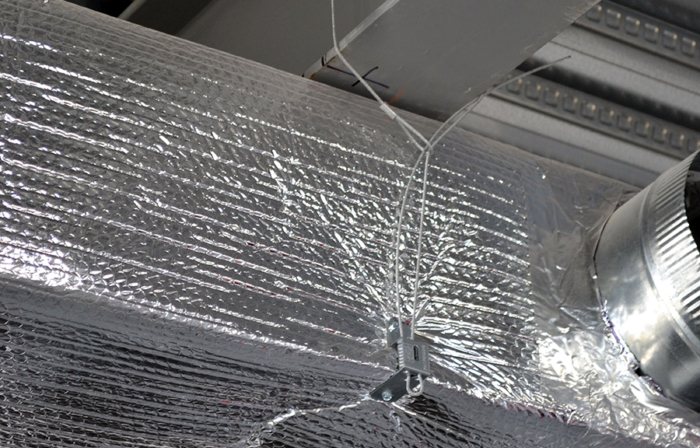
When it comes to designing and installing HVAC systems, choosing the right type of ductwork is essential. One innovative solution that is gaining popularity in the industry is suspended ducting. This method involves hanging the ductwork from the ceiling or wall using support rods or hangers, rather than installing it directly onto the ceiling or floor. In this article, we will explore the advantages of suspended ducting in HVAC systems.
Improved Airflow Distribution
One of the primary benefits of suspended ducting is the improved airflow distribution it offers. By suspending the ductwork from the ceiling, you can create a more efficient airflow pattern throughout the space. This can help to eliminate hot or cold spots, ensuring that the temperature is consistent across the room. Additionally, suspended ducting allows for more precise control over where the air is directed, which can help to optimize the comfort level in different areas of the building.
Space Savings
Another advantage of suspended ducting is the space-saving benefits it provides. Traditional ductwork systems require a significant amount of space for installation, especially in buildings with limited overhead clearance. By suspending the ductwork, you can free up valuable floor space for other uses, such as storage or additional equipment. This can be especially beneficial in retrofit projects or renovations where space is at a premium.
Improved Aesthetics
In addition to the functional benefits, suspended ducting can also improve the aesthetics of a space. Traditional ductwork systems can be bulky and unsightly, detracting from the overall design of a room. With suspended ducting, the ductwork is raised out of sight, creating a cleaner and more streamlined look. This can be particularly beneficial in commercial spaces where appearance is important, such as restaurants, retail stores, or office buildings.
Ease of Installation and Maintenance
suspended ducting is also easier to install and maintain compared to traditional ductwork systems. Since the ductwork is hanging from the ceiling, it can be accessed more easily for installation and repairs. This can help to reduce the time and labor costs associated with HVAC system maintenance. Additionally, suspended ducting is often made from lightweight materials, making it easier to handle and maneuver during installation.
Flexibility and Adaptability
Another advantage of suspended ducting is its flexibility and adaptability. Traditional ductwork systems are fixed in place once installed, making it difficult to reconfigure or expand the system. With suspended ducting, on the other hand, the layout can be easily modified to accommodate changes in the building layout or HVAC requirements. This can be particularly useful in buildings that undergo frequent renovations or additions.
Cost-Effectiveness
Finally, suspended ducting can be a cost-effective solution for HVAC system designs. While the initial investment may be higher than traditional ductwork systems, the long-term benefits can outweigh the upfront costs. The improved energy efficiency and airflow distribution provided by suspended ducting can result in lower utility bills and reduced maintenance costs over time. Additionally, the space-saving benefits of suspended ducting can help to maximize the use of available square footage, potentially saving money on building costs.
In conclusion, suspended ducting offers a number of advantages for HVAC systems, including improved airflow distribution, space savings, improved aesthetics, ease of installation and maintenance, flexibility and adaptability, and cost-effectiveness. If you are considering a new HVAC system or upgrading an existing one, it may be worth exploring the benefits of suspended ducting. By choosing this innovative solution, you can enjoy a more efficient and cost-effective HVAC system that meets your specific needs.